Every golf parent has watched it happen. Your child lines up a putt, swings with confidence and misses. Maybe their shoulders drop. Maybe there’s a frustrated sigh. And in that moment, you might wonder: Is this good for them?
At First Tee, we’d say yes.
Golf is one of the few sports that puts a young person face-to-face with failure on almost every hole, and that’s exactly what makes it such a powerful teacher. When kids learn to navigate a missed shot, a bad round or a score that didn’t reflect their effort, they’re building something far more important than their game. They’re building resilience.
The scorecard doesn’t lie, and golf’s honesty can be uncomfortable at first. But over time, it teaches kids to take ownership of their performance — a life skill that carries far beyond the course.
At First Tee, our coaches create a safe space where that accountability feels empowering, not defeating. Young people learn that a bad shot isn’t a reflection of who they are. It’s information. It’s an opportunity to adjust, refocus and try again.
What bouncing back looks like
Resilience isn’t about pretending failure doesn’t hurt. It’s about developing the tools to move through it. At First Tee, we view failure as a “First Attempt In Learning,” recognizing there’s always a lesson to be gleaned when things don’t go right.
In First Tee’s curriculum, participants work on skills like emotional regulation, positive self-talk and setting goals, which all come naturally on the course. When a young person learns to take a breath after a bad hole and approach the next tee box with a fresh mindset, they’re practicing exactly the kind of response that will serve them in a tough exam, a difficult friendship or a challenging moment at work someday.
That kind of reflection doesn’t happen by accident. It happens because coaches are asking the right questions, creating space for young people to process their experiences and grow from them.
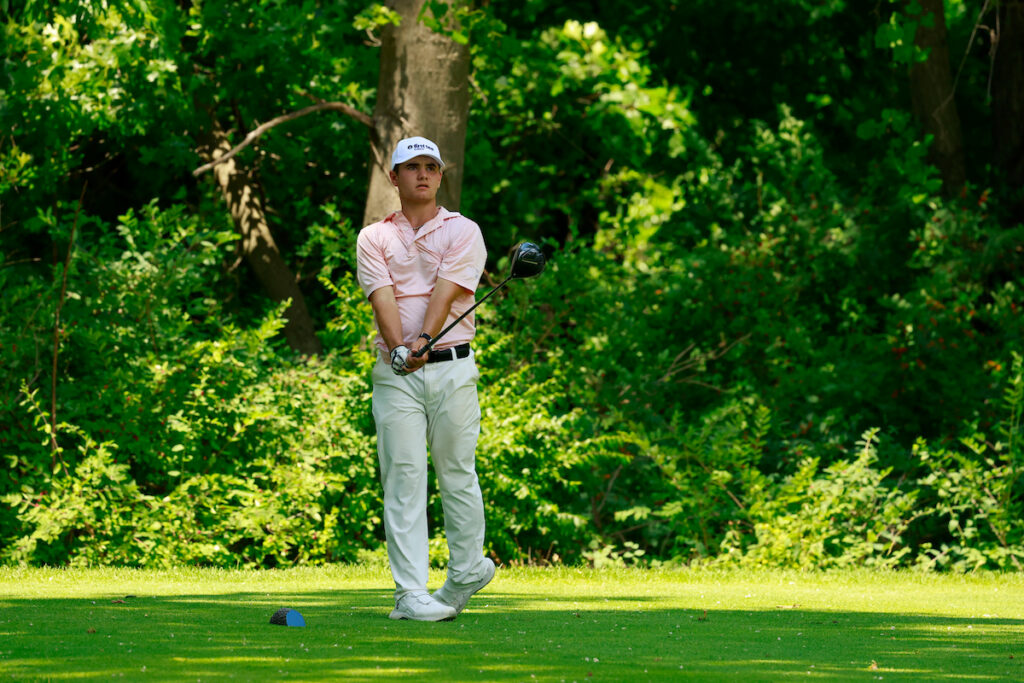
“We’ve watched Blayze transition from reacting to challenges to strategically managing them,” said Landon and Holly Chapman, parents of First Tee – Indiana participant, Blayze Chapman. “By applying the STAR (Stop, Think, Anticipate, Respond) model, he’s replaced frustration with perseverance and judgment. Whether he’s navigating a double-bogey or a heavy academic week, he no longer lets a single moment define his day. He’s learned to ‘reset’ with a level of composure that most adults struggle to maintain, proving that his character is anchored in something much deeper than a scorecard.”
The role parents play in the process
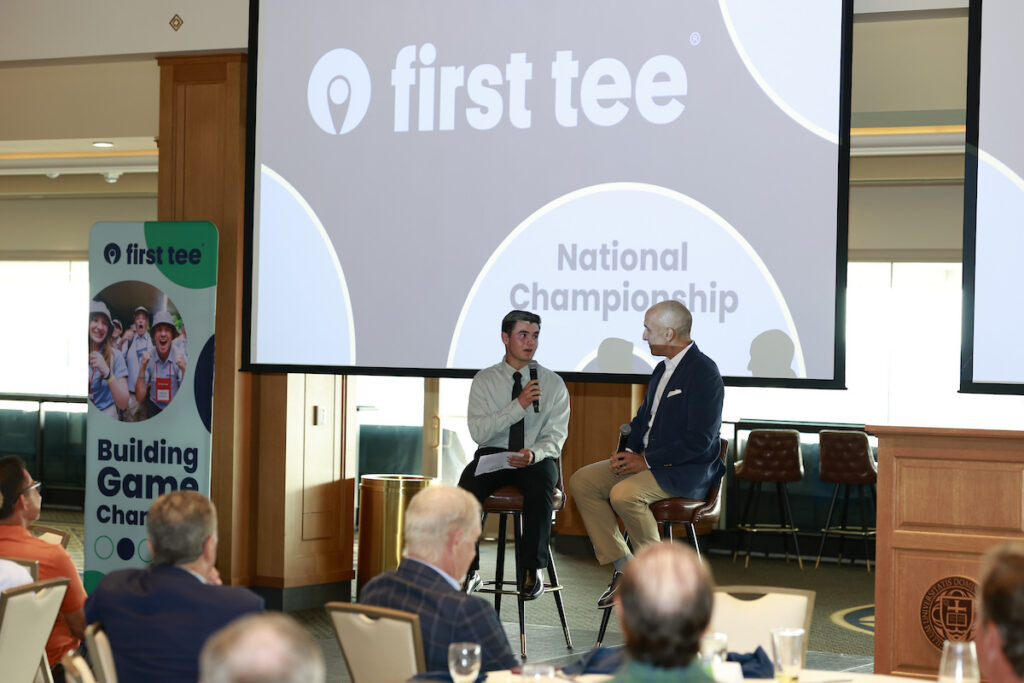
Here’s something we hear from families all the time: The lessons don’t stay on the course. While First Tee programming is typically delivered in golf settings, the goal is for parents to see their children handling frustration differently at home, in school and in other activities Our aim is for participants to grow in patience and become more articulate about their feelings.
Of course, parents play a big role in that. When your child comes home after a tough round, how you respond matters. Instead of jumping to fix the problem or minimize their frustration, try asking open-ended questions: What was the hardest part today? What would you do differently next time? What’s one thing you’re proud of, even if the score wasn’t what you hoped?
These conversations reinforce what your child is learning at First Tee and help them internalize the idea that struggle is a normal, even necessary, part of growth.
“Golf has given Blayze a quiet, internal confidence rooted in responsibility and integrity,” said the Chapmans. “Through First Tee, he’s developed the social dexterity to engage with mentors and the self-assurance to lead his peers.”
To support First Tee and its efforts to teach life skills and values through golf, consider becoming a Donor Ambassador today!